Our research team has extensive experience working with high performance athletes. We have examined the mechanisms by which diverse athletic groups achieve their superior sport performance including working with elite field hockey players (including Team Canada men and women teams), elite speed skaters, elite cross country skiers, elite paralympic athletes, wheelchair athletes, elite and developmental fencing athletes, ice hockey (including minor hockey, varsity, junior, and professional) players, powerlifters, triathletes, cyclists, and ultra endurance athletes. This also included exercise testing and prescription for diverse elite national teams and the National Hockey League. Our team (including Dr. Warburton, Dr. Bredin, and various graduate students) are currently heading the physiological assessment and training of various elite and developmental teams. They were also principal investigators in the Top Secret Research Program for Own the Podium. Drs. Bredin and Warburton formed the “Program of Excellence in Sport Development” an initiative that is dedicated to improving sport performance from the grassroot to elite levels.
We are proud of our ability to translate directly our research findings into practice to improve elite athletic performance in a wide variety of sports. Our team works closely with coaches and athletes to optimize sport performance. Individuals and/or teams interested in finding out more about the opportunities for elite athletic testing, prescription and exercise counselling should contact our laboratory (604-822-1337).
We have provided a series of pictures and links for some of our various research trials.
Own the Podium
We are extremely proud to belong to a group researchers working towards improving the performance of elite athletes in Canada. It was great honour to be actively involved in the Vancouver Winter Games. We look forward to working with these elite athletes for years to come. We are indebted to Own the Podium for their consideration and support of our high performance research.
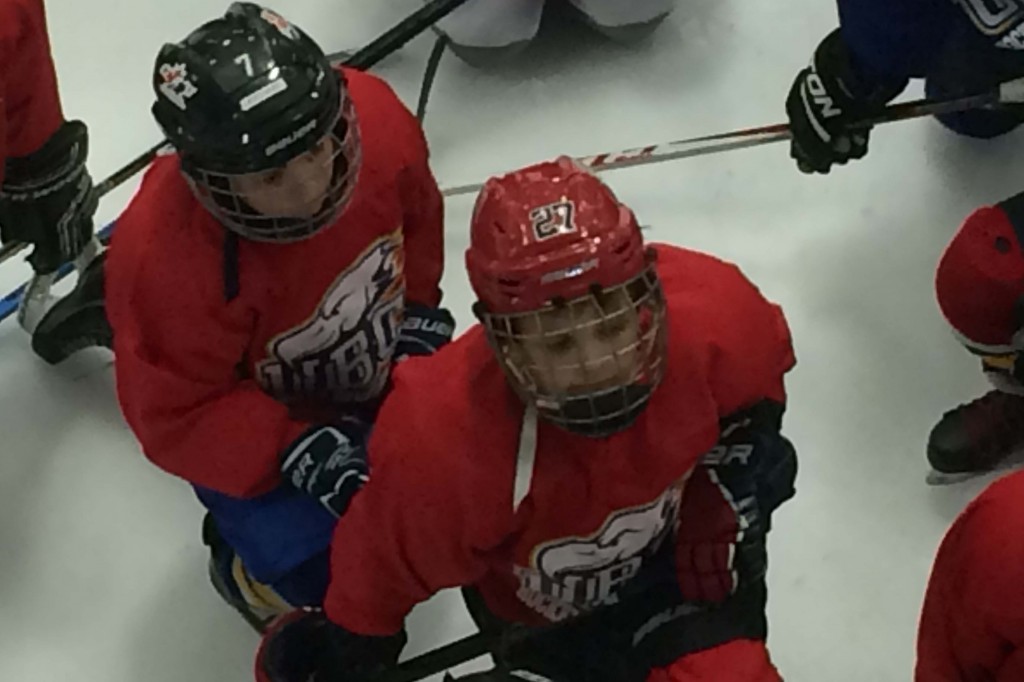
FUNdamental Hockey (FUN Hockey)

We are proud to announce that we have partnered with minor/spring hockey players and associations to create a leading off-ice development program for minor hockey players. This initiative is part of our “Program of Excellence in Sport Development” consisting of a program specially designed for athletes from the ages of 4 – 18 yr. The FUNdamental Development for Hockey Performance (FUN Hockey) program is centred on the guiding principal that hockey should be fun for all children regardless of skill level. Moreover, it is designed in an age-appropriate manner to ensure that skills fundamental for growth and performance are developed. This initiative is designed to supplement the training received in other minor and spring hockey programs. Children are encouraged to play a wide range of sports throughout the year.
FUNdamental Baseball (FUN Baseball)
We have created a leading grassroots development program for youth baseball players. This initiative is part of our “Program of Excellence in Sport Development” consisting of a program specially designed for athletes from the ages of 4 – 18 yr. The FUNdamental Development for Baseball (FUN Baseball) program is founded upon the belief that all kids should be able to enjoy the game of baseball. Similar to our other programs, FUN Baseball is designed in an age-appropriate manner to ensure that skills fundamental for growth and performance are developed.
Field Hockey Canada
Since 2007, we have partnered with Field Hockey Canada Men’s and Women’s National Teams to address their high performance needs. This includes conducting innovative research designed to give our Canadian athletes a performance advantage.